Revive the Arcade: Authentic Retro Gaming Tees
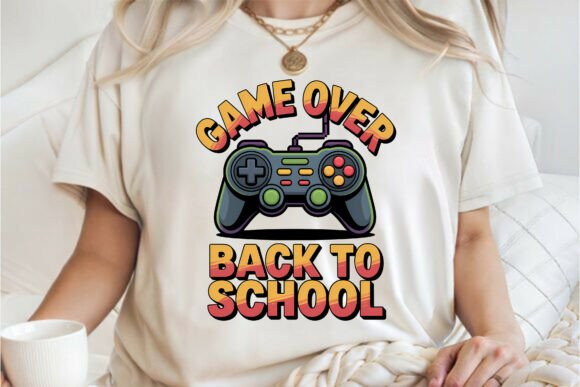
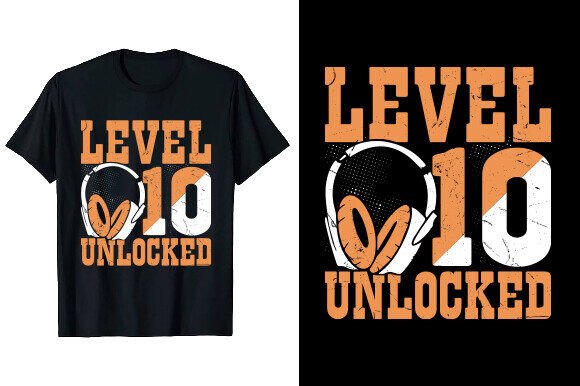
There is an undeniable magic in the pixelated ghosts and blocky heroes of the 8-bit and 16-bit eras. For those of us who grew up feeding quarters into arcade cabinets or blowing into cartridges, that aesthetic isn't just "old"—it's a specific feeling of nostalgia. If you are a graphic designer, a print-on-demand entrepreneur, or a small business owner tapping into the retro market, capturing that authentic look is half the battle. The other half is production. This is where a high-quality, pre-made asset becomes your secret weapon. We are looking at a specific design tool today: a Gaming Vintage Game T-shirt Design that bridges the gap between nostalgia and modern print technology.
The challenge with retro designs is that they can easily look cheap if the resolution is wrong or the colors are muddy. You want a design that feels like it was lifted straight from a vintage arcade cabinet but prints with the clarity of a modern digital file. This particular design asset is built exactly for that purpose. It isn't just a static image; it is a versatile vector asset ready for immediate deployment in your store or on your merchandise.
The Aesthetic of Nostalgia
Why does the vintage gaming look work so well on apparel? It connects with a demographic that has significant buying power: adults aged 20 to 50 who view the golden age of gaming as a core part of their childhood. When you use a Gaming Vintage Game T-shirt Design, you are selling more than a shirt; you are selling a memory.
Visually, these designs rely on bold outlines, limited color palettes, and the charming imperfections of early computer graphics. The specific design we are discussing here leverages that "funny gaming" angle, which is crucial. Humor is a massive driver in casual wear. A shirt that makes someone smirk because of an inside joke about game mechanics or a visual pun involving a controller is far more likely to be bought—and worn—than a generic logo.
However, the real value for you as a creator lies in the technical specifications. The design is made with 100% vector shapes. In practical terms, this means you are not dealing with pixels that blur when you scale up. Whether you are putting this on a small sticker or a massive poster, the lines remain crisp. This is the difference between a professional product and an amateur one.
Practical Applications: Beyond the T-Shirt
While the primary application is apparel, the versatility of a high-resolution vector file like this opens up numerous revenue streams. The product description notes that it is "Ready to print" and includes EPS, PNG, and JPEG files. Let’s break down how you can actually use these.
The PNG file comes in at a massive 4500x5400 pixels at 300 DPI with a transparent background. This is the industry standard for Direct-to-Garment (DTG) printing. You don't need to spend hours in Photoshop trying to remove the background or upscaling a low-res image. You simply upload it to your fulfillment partner, and it prints clearly.
But don't stop at cotton. Because the design is 100% color changeable, you have total creative control. Here are a few practical ways to maximize this asset:
- Merchandise Expansion: Use the vector (EPS) file to scale the design for mugs, tote bags, and even posters. The vector shapes ensure the print quality is top-tier regardless of the surface.
- Digital Branding: If you run a gaming blog or a retro-tech YouTube channel, this design can serve as a temporary mascot or a graphic element for video intros. The RGB color mode is optimized for screens, ensuring the colors pop on monitors just as they do on the design software.
- Packaging and Stickers: If you sell physical goods like homemade controllers, retro candy, or tech accessories, using this design on your packaging creates instant brand recognition. It signals to the customer that your brand speaks the language of retro gaming.
- Social Media Assets: In the age of Instagram and TikTok, visual consistency is key. You can crop different parts of the design to create profile pictures, banners, or sticker overlays for your stories.
Streamlining Your Design Workflow
One of the biggest hurdles for small business owners and independent designers is time. You might have a great idea for a t-shirt line, but the execution time—sketching, digitizing, vectorizing, cleaning up lines—can take days. This is where a ready-made asset changes the game.
By using a pre-designed vector asset, you are essentially skipping the "production" phase and moving straight to "customization." The description highlights that color changes are "possible and easy." This is a massive advantage. If you want to create a "Dark Mode" version of the shirt for Halloween or a pastel version for summer, you can do so in minutes by adjusting the vector fill colors in Adobe Illustrator or Affinity Designer.
Furthermore, the file compatibility (EPS 10) ensures that you aren't locked into the newest, most expensive software versions. It offers broad compatibility, meaning you can work with the files on various platforms without conversion headaches. This kind of workflow efficiency allows you to test more designs in the market. Instead of spending a week perfecting one shirt, you could customize this design for three different niches within an afternoon.
Ensuring Professional Presentation
In the crowded world of print-on-demand, presentation is everything. A customer scrolling through a marketplace decides in a split second whether a product looks "professional" or "homemade." The difference often comes down to resolution and color depth.
The inclusion of the RGB color profile in the source files is particularly important for your online store listings. Many designs look great in print but appear dull on a website because they were formatted for CMYK (print color) rather than RGB (screen color). Since your customers will view the product on a screen before they buy it, having an optimized RGB version ensures your mockups look vibrant and appealing.
Remember, while the text elements in this specific design are not editable, the visual impact is designed to be universal. It captures a sentiment that resonates with the gaming community. When you pair this strong visual asset with high-quality mockups and a clear brand message, you elevate your store from a hobbyist project to a serious contender in the niche market.
Ultimately, finding the right assets is about balancing creativity with practicality. A design like this offers the nostalgia of the arcade era with the technical robustness required for modern e-commerce, giving you the tools to build a brand that resonates with retro enthusiasts everywhere.